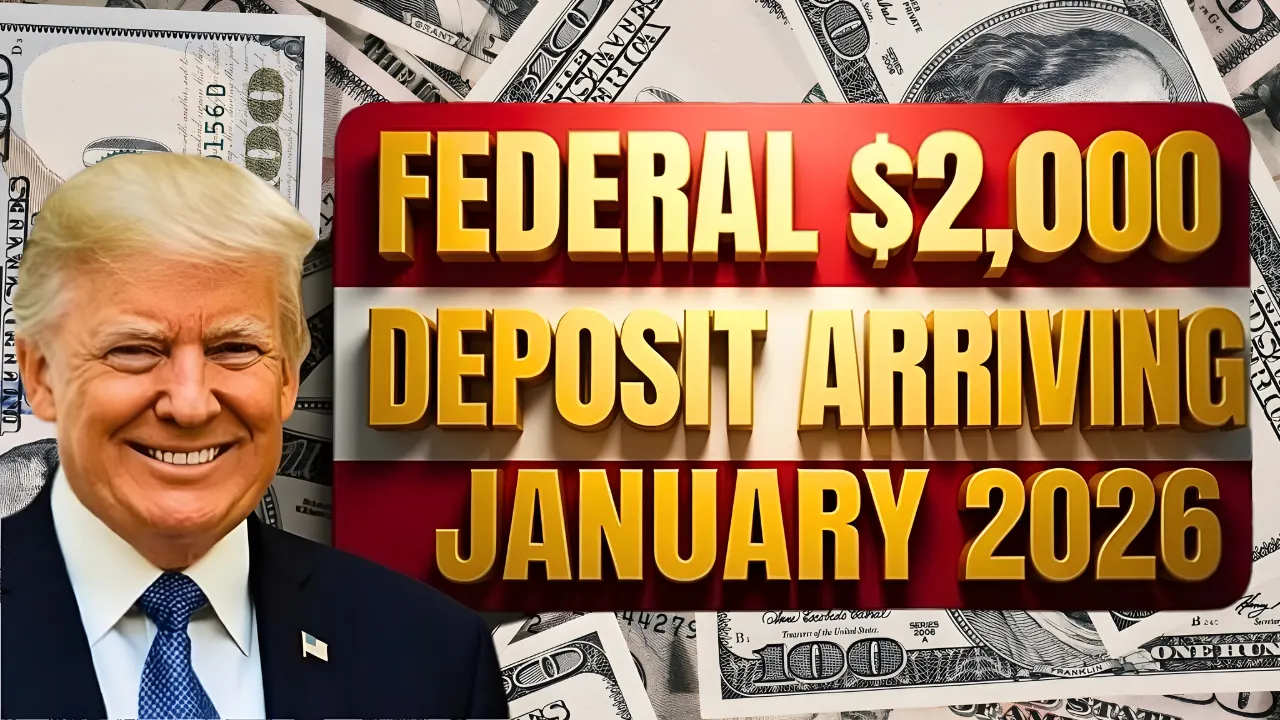
The $2,000 Federal Deposit in 2026 has been making headlines lately, with many Americans wondering if extra cash is really coming their way. President Donald Trump has talked about sending out $2,000 “tariff dividend” payments, funded by revenue from import tariffs his administration has pushed hard. It’s an idea that’s got people excited about some financial relief, but it’s important to sort out the facts from the hype right now.
What Exactly Is the $2,000 Federal Deposit Proposal?
This isn’t like the old COVID stimulus checks that hit bank accounts during the pandemic. Instead, it’s being pitched as a “dividend” or rebate from extra money the U.S. government collects through tariffs on imported goods. Trump has said these tariffs are bringing in big revenue—hundreds of billions—and part of that could go back to everyday folks as a thank-you for supporting American jobs and manufacturing. He first floated the idea back in late 2025 on Truth Social, promising at least $2,000 per person for most Americans.
Also Read


The plan sounds straightforward: tariffs protect U.S. industries, bring in cash, and then that cash gets shared as direct payments. Trump has called it a way to give working families a boost without raising taxes. But as of mid-January 2026, no official law has passed, and details are still pretty thin.
Who Would Qualify for the $2,000 Payment?
From what Trump and his team have said so far, the payments would go to lower- and middle-income Americans, while excluding high earners. Trump has repeatedly mentioned “not including high-income people” and focusing on “moderate income” or “working families.”
Some reports point to possible income cutoffs around $100,000 or less for individuals or households, similar to past stimulus rules. Treasury officials have hinted at targeting folks making under six figures. Dependents might factor in too, potentially meaning more for families with kids, though nothing’s locked in yet.
Also Read


Here’s a quick breakdown of likely eligibility based on public statements:
- U.S. citizens or qualifying residents with valid Social Security numbers.
- Lower- to middle-income households (exact thresholds TBD, but likely excluding high earners).
- Probably based on recent tax returns or federal benefit enrollment.
- No high-income individuals or households above a certain limit.
Keep in mind, these are proposals—not set rules. Final details would depend on any legislation or executive actions.
Payment Rules and How It Might Work
If this moves forward, payments would likely come as direct deposits if the IRS or Treasury has your banking info on file from past tax returns. Otherwise, you’d get a paper check or debit card, just like before. The money would probably count as non-taxable, similar to previous economic impact payments, but always check IRS guidance once things are official.
Also Read


Trump has suggested he might not even need full Congressional approval, claiming other funding sources could make it happen faster. However, most experts say big spending like this typically requires Congress to sign off, especially for something costing hundreds of billions.
Timeline: When Could These Payments Actually Arrive?
Trump originally talked about mid-2026, maybe before the November midterms to give folks a lift. In a recent New York Times interview, he shifted that to “toward the end of the year.” So, we’re looking at sometime in late 2026 at the earliest—if it happens at all.
Right now, there’s no confirmed start date, no application process, and no IRS announcements. Rumors about January 2026 deposits or “holiday payments” are floating around online, but fact-checks from reliable sources say those aren’t real. No new federal stimulus or dividend has been approved yet for early 2026.
Also Read


What Should You Do While Waiting?
Stay tuned to official sources like IRS.gov, Treasury.gov, or White House updates for any real news. Avoid clicking sketchy links promising “claim your $2,000 now”—those are often scams trying to steal your info. If something gets passed, the IRS would handle distribution like they did before, using existing tax data.
For now, this $2,000 federal deposit remains a bold proposal that’s generating buzz but hasn’t crossed the finish line. It’s exciting to think about extra money in tough times, but patience is key until we see concrete action from Washington. We’ll keep watching and update as things develop.